
What is BIL (Basic Impulse Level)?

In high-voltage electrical systems, equipment must be able to withstand sudden and extreme voltage surges caused by events like lightning strikes or switching operations. That’s where BIL, or Basic Impulse Level, becomes crucial. What Does BIL Stand For? BIL (Basic Impulse Level) is a standardized value that indicates the maximum

Read More

The Difference Between Soldering, Crimping, and Swaging in Electrical Work

In electrical and electronic installations, the quality of a connection can determine the safety, performance, and longevity of the system. Three common methods of creating wire connections are soldering, crimping, and swaging. Though all serve the same purpose—securing electrical contacts—their techniques, tools, and applications differ significantly. Let’s explore what sets

Read More

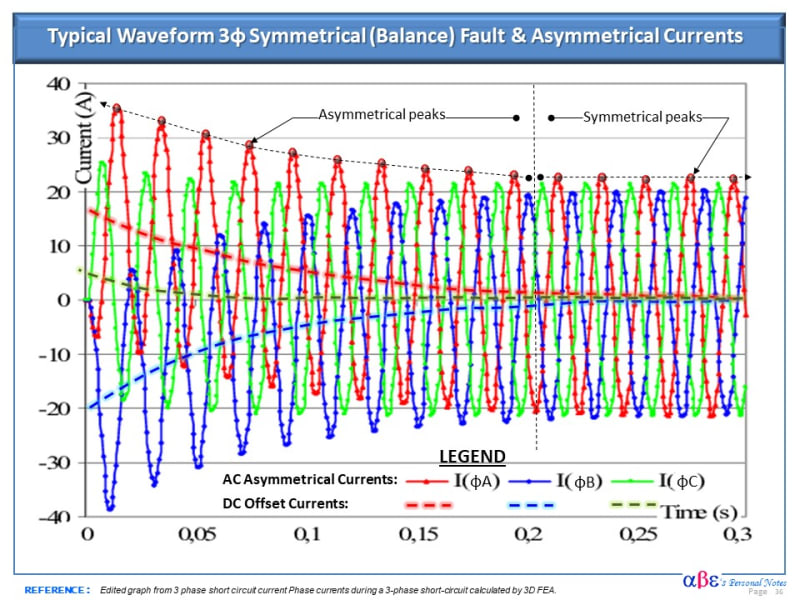
Understanding Between Asymmetrical and Symmetrical Current

In the world of electrical engineering and power systems, understanding current characteristics is crucial to ensure system reliability, safety, and efficiency. Two important terms often encountered are asymmetrical current and symmetrical current. Though they may sound similar, they describe distinctly different conditions in an electrical circuit, especially during fault scenarios.

Read More