

1. Upgrade Older Equipment to Cleaner Alternatives
A quick first step for any power provider is checking current hardware for greener options. Much of the electrical grid relies on legacy equipment that now has eco-friendly alternatives. Modern technology makes it much easier to choose gear that uses fewer resources while cutting operational costs.
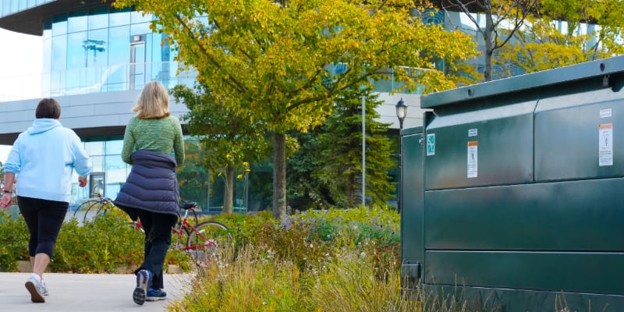
A clear example is pad-mounted switchgear—the protective green metal boxes seen in neighborhoods that control electricity flow:
• Air-Insulated Gear: Uses lighter, recyclable materials instead of sealed gas tanks, offering a lower carbon footprint for standard neighborhood applications.
• SF6-Free Sealed Systems: For heavier-duty needs, advanced models like S&C’s Vista® SD and Vista® Green completely eliminate sulfur hexafluoride (SF6)—a potent greenhouse gas—without sacrificing performance.
2. Extend Equipment Lifespan and Manage Waste Wisely
Keeping power equipment in top shape cuts down on electronic waste and replacement expenses. Proper maintenance and smart retrofits allow utilities to extend the working life of their grid assets while protecting against unexpected outages:
• Proactive Maintenance Services: Regular health checks (such as S&C’s Assessment Management Program) monitor equipment health to prevent costly, unplanned power disruptions.
• Retrofitting Existing Infrastructure: Tools like the EdgeRestore® Underground System add smart automation directly into existing transformers, upgrading aging underground cables without needing to pour new concrete or tear up streets.
• Lifecycle & Recycling Programs: Comprehensive end-of-life programs ensure old equipment, metals, and gases (like SF6) are safely reclaimed and recycled rather than sent to landfills.
3. Use Smart Grid Automation to Prevent Unnecessary Repair Trips
Smart automation automatically clears temporary power glitches (like a tree branch brushing a power line), preventing momentary disruptions from turning into full power outages.
Fewer outages directly mean fewer diesel utility trucks dispatched for repairs. According to the U.S. Environmental Protection Agency (EPA), every avoided truck trip saves roughly 145 pounds of CO2 emissions.
A real-world example: Brazilian utility COPEL avoided 140,000 repair truck trips over 5 years by installing S&C’s TripSaver® II Cutout-Mounted Reclosers. This single automation strategy eliminated massive amounts of greenhouse gases while saving $25.2 million in operating expenses.
Building a Cleaner, Smarter Energy Future
Moving toward a sustainable energy system requires consistent, practical changes. By combining eco-friendly equipment upgrades, proactive lifespan extension, and smart automation, electric utilities can reliably serve their communities while hitting their net-zero climate goals.