


As power grids evolve, many utilities are transitioning parts of their network to underground cabling to enhance reliability and reduce exposure to weather-related outages. If your utility has started this upgrade, congratulations—this is a major step toward a more resilient system.
But with that improvement comes a new challenge: how do you design an overcurrent protection scheme that works effectively for both overhead and underground segments of your grid?
The Traditional Trade-Off
Historically, utilities have faced two main options for fault protection:
1. Conventional Reclosing
Using automatic reclosing devices means testing the line by applying full fault current multiple times. While this might work for overhead lines, it places unnecessary stress on underground cables, increasing the risk of insulation breakdown and long-term cable damage.
2. One-Shot-to-Lockout
This conservative approach limits the fault testing to one attempt before locking out the line. While it protects underground assets, it can cause prolonged outages for faults that were only temporary—something commonly seen on overhead segments.
The Limitation of Limited Reclosing
To minimize stress on underground circuits, some utilities are reducing the number of reclosing attempts. This approach acknowledges the damage potential of traditional methods but doesn’t fully solve the problem—it’s a compromise that still puts both performance and assets at risk.
Even with undergrounding investments in place, one avoidable cable fault can lead to lengthy outages and harm your system’s reliability score.
A Better Alternative: Low-Stress Fault Testing
To truly safeguard your underground cables while maintaining effective fault detection, you need a low-stress solution—one that tests for faults without applying full fault current.
Enter PulseClosing® Technology by S&C.
This method uses a brief, low-energy electrical pulse to determine if a fault is present. Because it uses just a fraction of the energy compared to traditional reclosing, it reduces the stress on the entire system—especially important for underground segments.
How It Works
Rather than subjecting cables to high energy bursts, PulseClosing technology delivers a precise electrical pulse that identifies whether the line is clear or still faulted.
- No repeated surges
- No damage to underground insulation
- No unnecessary lockouts
This means you can identify and isolate faults without risking your infrastructure investment.
System Comparison
| Protection Scheme | Overhead Protection | Underground Protection |
|---|---|---|
| Traditional Reclosing | Moderate | Poor |
| One-Shot-to-Lockout | Poor | Good |
| Reduced Reclosing | Moderate | Moderate |
| PulseClosing Technology | Excellent | Excellent |
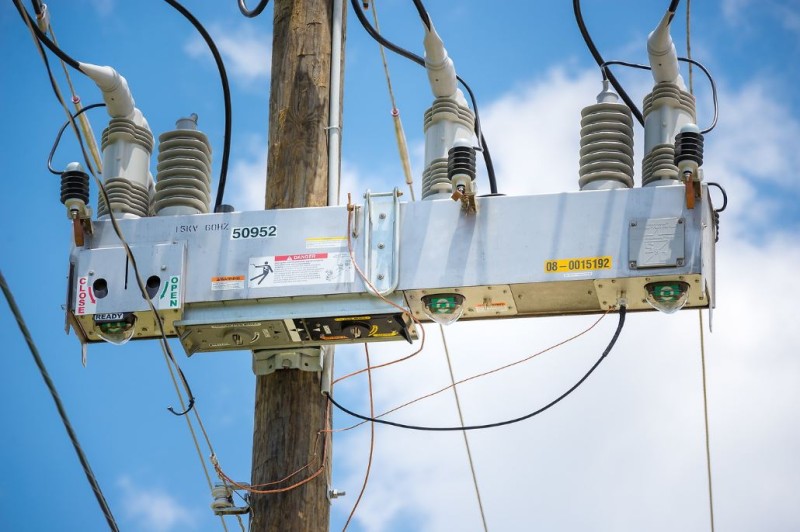
Why IntelliRupter® Is the Right Choice
The IntelliRupter® PulseCloser® Fault Interrupter by S&C is the only system that uses true PulseClosing technology. It delivers:
- Up to 95% less energy than standard reclosers
- Superior protection for hybrid systems
- Advanced FLISR capabilities (Fault Location, Isolation, and Service Restoration)
- Compatibility with both overhead and pad-mounted installations
With IntelliRupter, you can preserve underground cables, improve system uptime, and protect your grid-hardening investments.
Conclusion
For modern hybrid power systems, the risks of conventional reclosing are too high. A low-stress fault testing approach like PulseClosing offers the balance utilities need—effective fault detection without damaging critical assets.
If your utility is committed to building a more resilient and future-ready grid, it’s time to adopt smarter protection strategies.