


In recent years, arc flash analysis has transitioned from an optional safety measure to a mandatory standard in the utility sector. With the growing complexity of power systems and increasing regulatory scrutiny, utility companies worldwide are adopting arc flash studies as a critical component of electrical safety planning.
What Is Arc Flash?
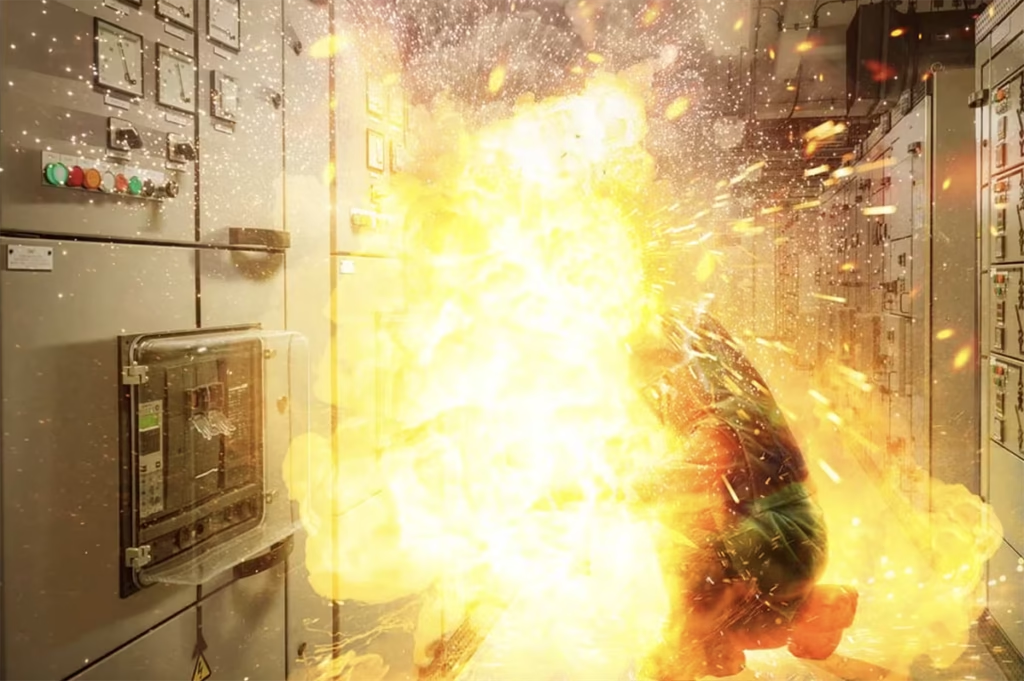
An arc flash is a sudden release of electrical energy through the air when a high-voltage gap exists and breakdown occurs between conductors. This can result in explosions, intense heat, light, sound pressure, and potentially fatal injuries.
Arc flash incidents are among the most dangerous electrical hazards, especially for workers operating or servicing electrical equipment in substations, switchgear, and industrial environments.
Why Is Arc Flash Analysis Important?
Arc flash analysis calculates:
- Incident energy levels
- Flash protection boundaries
- Required PPE (Personal Protective Equipment)
This data helps utilities make informed decisions on system design, equipment maintenance, and worker protection protocols.
A Shift Toward Proactive Safety
Several key factors are driving the industry-wide adoption of arc flash analysis:
Regulatory Compliance
Standards such as NFPA 70E, IEEE 1584, and OSHA requirements mandate risk assessments and proper labeling of electrical equipment. Utilities must comply or risk legal and financial consequences.
Worker Safety
Utilities have a responsibility to protect their workforce. Arc flash studies help identify high-risk areas, ensuring technicians use appropriate PPE and follow lockout-tagout (LOTO) procedures.
Preventive Maintenance
With accurate arc flash data, utilities can isolate hazards, improve coordination, and adjust settings to reduce incident energy levels.
Downtime and Liability Reduction
By proactively addressing arc flash risks, utilities reduce the likelihood of unplanned outages, equipment failure, lawsuits, and compensation claims.
Real-World Implementation
Utilities such as PG&E, Duke Energy, and Tenaga Nasional Berhad have implemented comprehensive arc flash studies across their networks. Some companies have even integrated arc flash simulation software into their asset management systems for continuous monitoring and risk assessment.Real-World Implementation
What’s Next?
The trend points toward real-time arc flash risk assessment, powered by AI and IoT. Smart sensors can collect system data, allowing live updates of arc flash labels and dynamic PPE guidance based on load conditions.
A New Industry Norm
Arc flash analysis is no longer optional—it’s the new benchmark for electrical safety in utility operations. As the grid becomes more complex and demands on reliability increase, conducting and updating arc flash studies will remain a core responsibility for responsible utilities.