

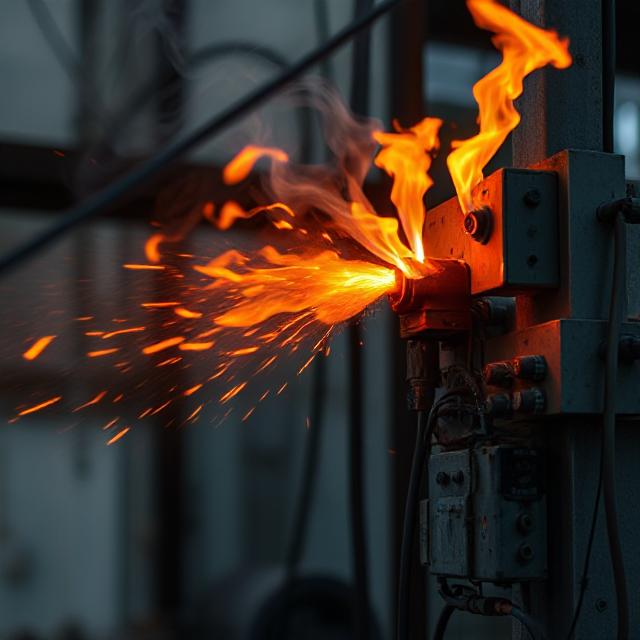
Faults in power distribution systems are inevitable but understanding their causes is the first step to minimizing risk and maintaining grid reliability. A fault occurs when an abnormal flow of current disrupts the normal operation of the electrical system. These faults can damage equipment, disrupt service, and compromise safety.
Let’s explore the most common causes and how to manage them effectively.
1. Weather Conditions
Lightning strikes, high winds, rain, snow, and ice are major contributors to electrical faults. These natural elements can cause:
- Downed power lines
- Insulation failure
- Flashovers on insulators
2. Animal Interference
Birds, squirrels, snakes, and other animals can bridge conductive parts and cause short circuits or ground faults.
3. Vegetation Contact
Trees and branches coming into contact with overhead lines are a major source of faults, especially during storms.
4. Equipment Failure
Aging or defective components such as transformers, circuit breakers, or cables can fail due to:
- Overheating
- Insulation breakdown
- Poor maintenance
5. Human Error
Improper installation, lack of maintenance, or accidental contact by workers during repairs or upgrades can trigger faults.
6. Overloading
Exceeding the rated capacity of cables, transformers, or switchgear can lead to overheating, which eventually results in a fault.
7. Short Circuits
Short circuits occur when two conductors come into direct contact or when one conductor touches a grounded surface, allowing current to bypass the intended path.
8. Insulation Degradation
Over time, environmental factors and electrical stress can degrade cable and equipment insulation, leading to partial discharge or faults.
Preventive Tip:
Use high-quality insulation and perform regular insulation resistance tests.
9. Switching Surges
Abrupt switching operations or capacitor bank energization can create transients that damage equipment and cause faults.
Conclusion
Understanding the common causes of faults in power distribution systems helps utilities and facility managers design more resilient systems. Through regular inspections, preventive maintenance, and intelligent protection systems, faults can be minimized—leading to greater system reliability, safety, and cost savings.